







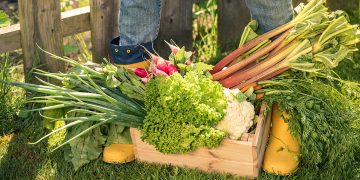













I’m not talking about an ancestral lineage, or un-dyed new growth, or even the mini-series. I’m talking about nutrient dense root vegetables. These terrific vegetables are perfect year round foods, but many of us often overlook them. Let’s take a closer look at a few root vegetables to find out more about their nutritional value.
Beets
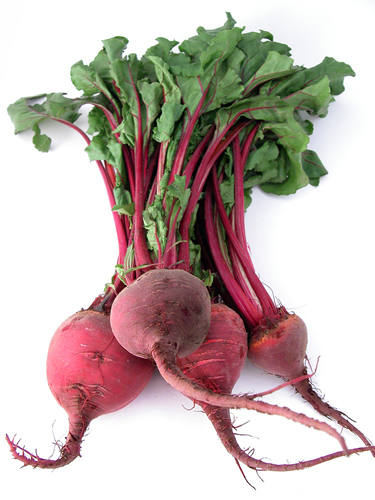 Beets are a highly nutritious root vegetable, and cardiovascular friendly. The unique pigment in the root, as well as in the top greens, offer substantial protection against coronary artery disease and stroke. They also lower cholesterol and have anti-aging properties.
According to Dr. Schor ND, studies have shown that people who consume beets, specifically beet juice, have significant positive health effects.
One of these studies, published in the March 2008 issue of Hypertension, found that healthy volunteers who consumed two cups of beet juice per day lowered blood pressure almost 10 points, while also protecting their blood vessels from injury and lowering blood clot risk.
In 2009, researchers at University of Exeter demonstrated how people who drink beet juice could manage higher intensity exercise because their muscles were able to do the same work with less oxygen. The same researchers also found that beet juice drinkers maintained lower blood pressure during intense exercise than non-drinkers; thus experience less strain on their hearts.
Beets are a great sources of folate, B-complex vitamins, the minerals iron, copper, manganese and magnesium and the phytochemical compound glycine betaine, which lower homocysteine levels in the blood.
Carrots
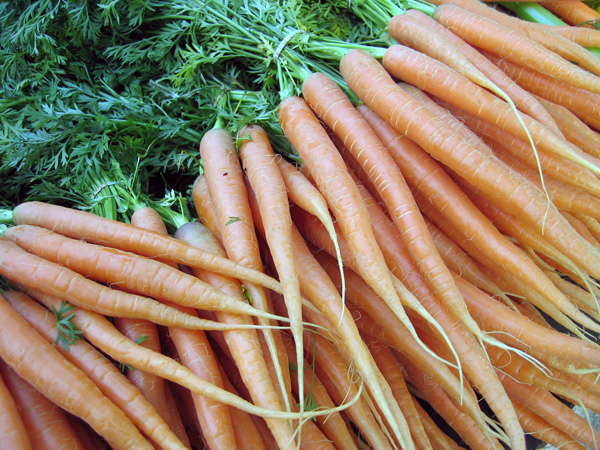 Another super root food is the carrot. Like beets, carrots are considered a root crop because they are grown in the soil, and absorb many nutrients. Carrots are a rich source of antioxidants, fiber and vitamins and are naturally low in calories and fat. They are full of carotenes and vitamin A, which protect against lung, oral, and skin cancers, as well as a good source of vitamins C. As if all this wasn’t enough another bonus benefit of carrots is the antioxidant falcarinol, which research has shown helps combat cancers by destroying pre-cancerous cells in tumors.
How to use them?
Carrots can be eaten raw as most carrots have a sweet taste. Eating raw carrots helps to cleanse the teeth and breath and stimulate gums. Use them raw in juicing as a base, and then add any other fruits or vegetables to your liking. If juicing isn’t your forte, not to worry. They can also be steamed, boiled, stir fried and baked.
Onions
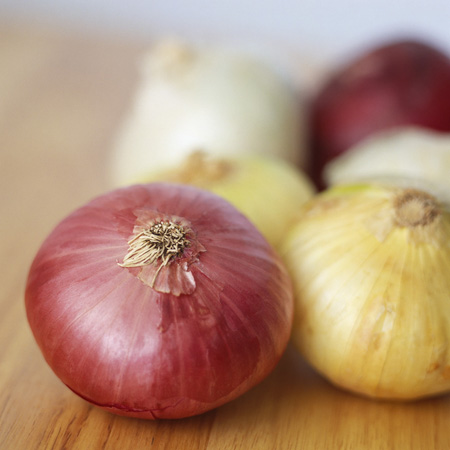 Onions are edible bulbs closely related to the garlic, scallion, chives and leek family. Recent studies have shown onions as a definite powerhouse root vegetable.
How so? Look at the facts:
A 100 gram serving of onions contains only 44 calories and 1 gram of fiber. When an onion is cut it releases the enzyme allinase which is what makes us cry. They contain flavonoids which act like antioxidants that have a direct anti-tumor effect and immune-enhancing properties. Onions also contain a large amount of sulfur, so they’re good for the liver. Another powerful benefit of onions is that it contains quercetin, a potent antioxidant flavonoid found on and near the skin of onions (found in shallots, red and yellow onions – not white onions). Quercetin has been shown to thin the blood, lower cholesterol, raise the good cholesterol HDL, combat asthma, bronchitis, hay fever, diabetes, atherosclerosis and infection. It has also been specifically linked to deterring stomach cancer. Don’t forget it has anti-viral, anti-inflammatory and antibiotic properties as well.
Sweet Potato
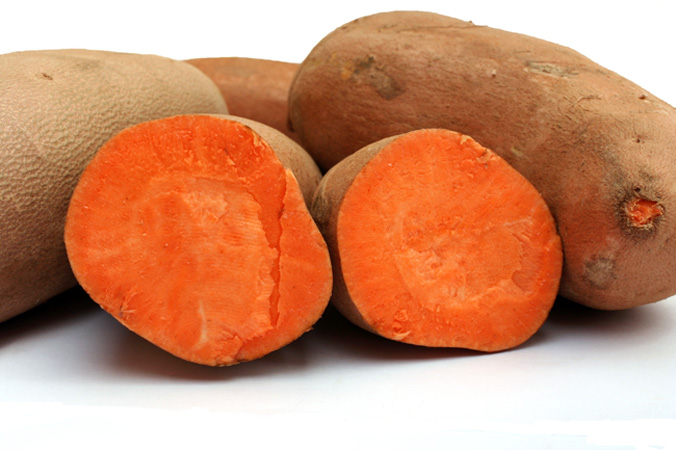 The sweet potato is another amazing super food root vegetable that is very versatile. They are commonly known as yams, and are an inexpensive and excellent staple to have on hand. These veggies pack more nutrition per gram than the ordinary yellow or white fleshed variety.
Sweet potatoes contain almost twice as much fiber as other varieties. Their high fiber content gives them a slow burning quality, which means their caloric energy is used more slowly and efficiently than a low-fiber carbohydrate. Yams are also heart healthy and contain a large amount of vitamin B-6, which is crucial for breaking down a substance called homocysteine. Homoctsteine contributes to hardening of the arteries and blood vessels.
Also at the heart of this root vegetable is their a rich source of potassium, which helps regulate blood pressure by ridding the body of excess sodium and stabilize fluid balance. Excellent for ensuring a natural rhythm of the heart. Beta carotene or vitamin A are also found in sweet potatoes. These nutrients are especially great for eye health since they’ve been linked to preventing vision loss and macular degeneration, as well as protect from sun damage.
Like the other root veggies you can use it raw or cooked.