




















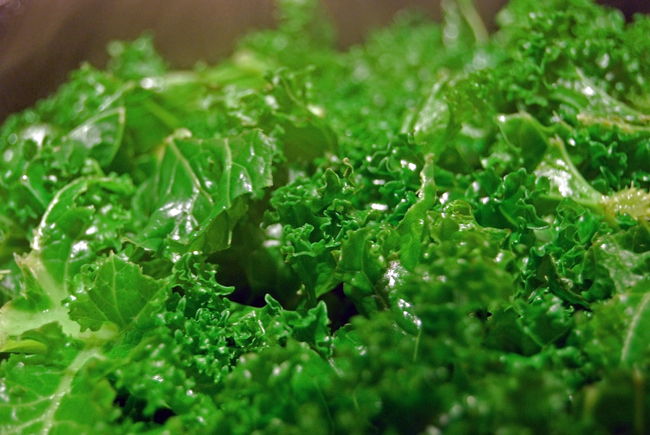
 Being a girl from the south, and raised on southern cooking, especially collard greens, I thought there was no better green leafy vegetable. I could eat bowls of them. However, since I’ve started my nutritional journey to better health, all I hear and read about these days is how we should be eating more kale. But what makes them so special? So I did some research and came up with some very interesting facts.
Kale and collards both belong to the cruciferous family of vegetables, which includes broccoli and cauliflower. They both count towards the 1.5-2 cups of green leafy vegetables the USDA recommends per week. Although both are nutritious additions to the diet they work differently in the body.
Here’s how:
Both greens improve your intake of water-soluble vitamins and contain a wide range of B-vitamins including: riboflavin, B-1, niacin, folic acid, vitamins B-5 & B-6. These nutrients support the metabolism and help maintain healthy skin and hair.
Under the mineral category both types of greens increases the intake of essential minerals like copper, selenium, manganese, phosphorus, potassium and zinc.
Here’s where they differ.
One cup serving of collards contains a modest 12.7 milligrams (mg) of vitamin C while kale contains 80.4 mg of vitamin C.
While both are rich sources of the fat-soluble vitamins A and K, kale boasts a higher content of these vitamins. Again, a 1 cup of Collard greens contains 2,400 international units (IU) of vitamin A & 183.9 micrograms (mcg) of vitamin K. The same amount of kale contains 10,302 IU of vitamin A and 547.4 mcg of vitamin K.
* (I must present a word of caution. Consuming large amounts of vitamin K can interfere with blood thinning medications like warfarin. If you take these medications consult your doctor and consider eating more collards, instead.)
Kale greens are richer in calcium than collards (92 mg/cup compared to 52 mg/cup). The level of iron in these two vegetables also differ. Kale is richer in iron than collards greens–providing 1.14 mg/cup compared to 0.07 mg/cup. So those looking for a great vegetarian source of calcium and protein would more likely choose kale over collards.
Here are few more quick facts on kale:
- High in fiber, low in fat with 0 calories
- Contains powerful antioxidants such as carotenoids & flavonoids that fight against cancer
- Great anti-inflammatory food to help fight against arthritis and other inflammatory processes in the body
- Great detox food filled with fiber and sulfur, which work to detoxify your body and liver
You can also consume them raw in smoothies, chopped in salads, and as kale chips. Also stir fried, sautéed, and steamed. Or simply boiled and prepared with a touch of garlic, olive oil, sea salt, or balsamic vinegar.
Anyway you choose to eat it is up to you. The important thing is to get more of it into your body! It’s an awesome versatile vegetable that yields too many healthful benefits to not try it.
Check out my great green smoothie recipe here








Comments 1